
DEV
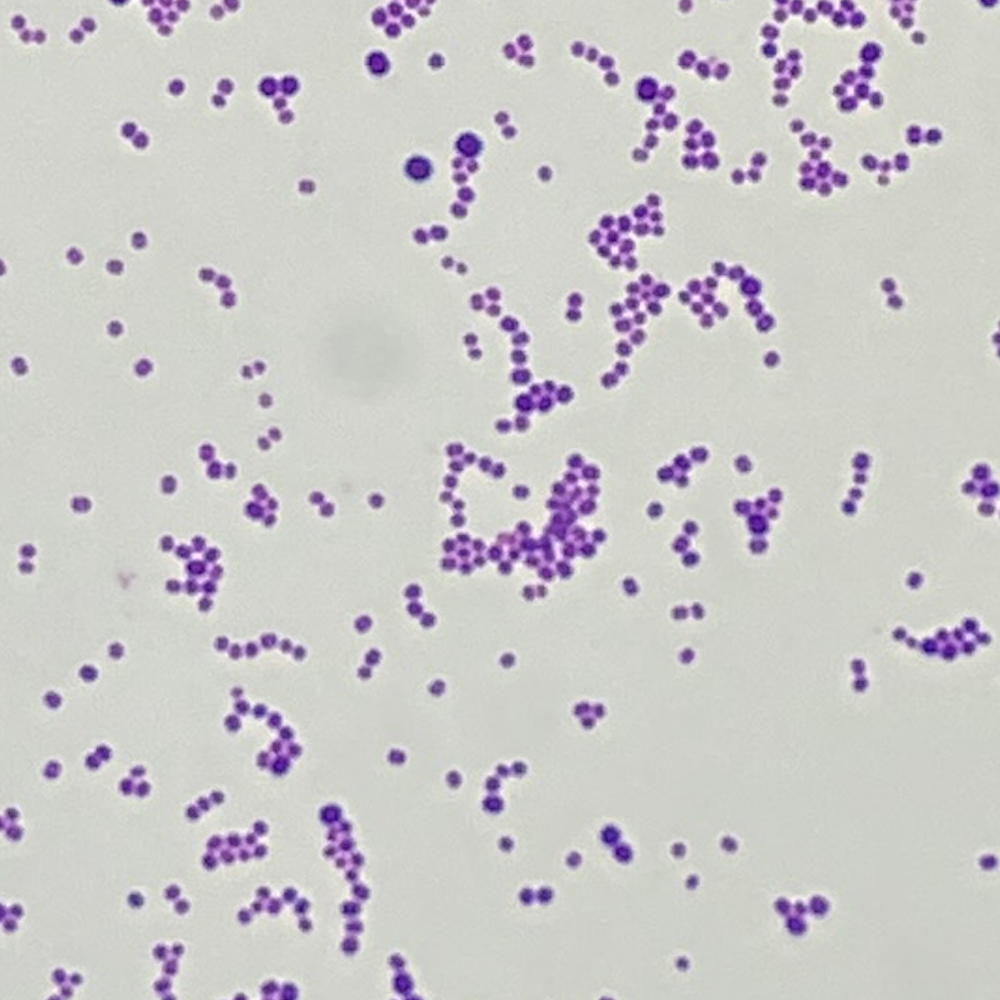
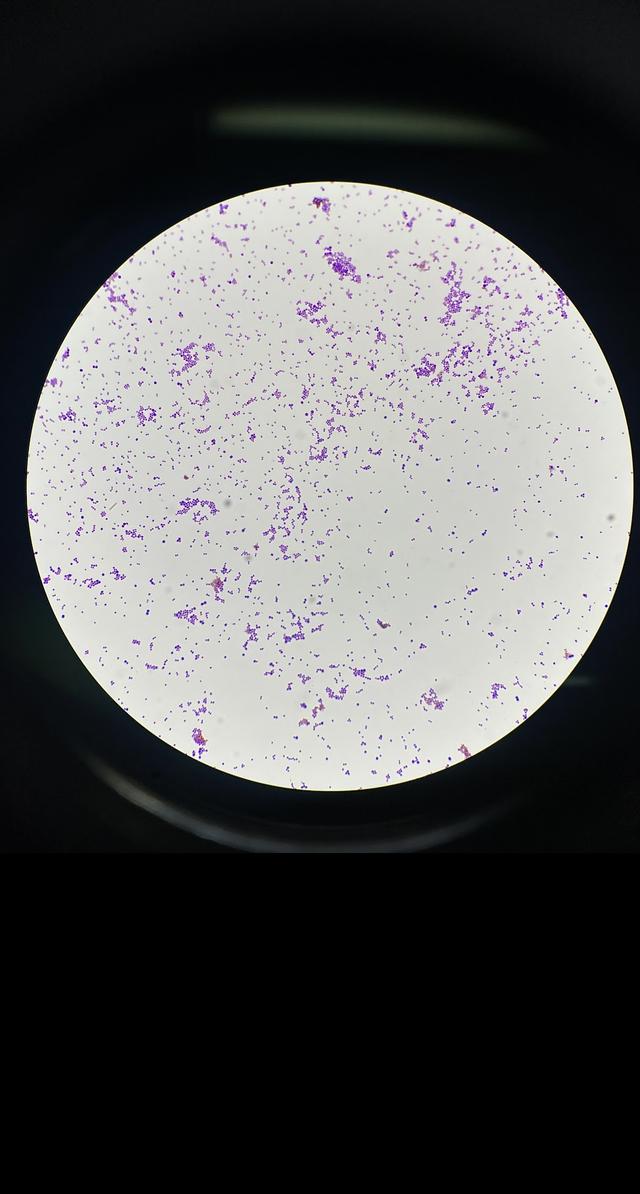
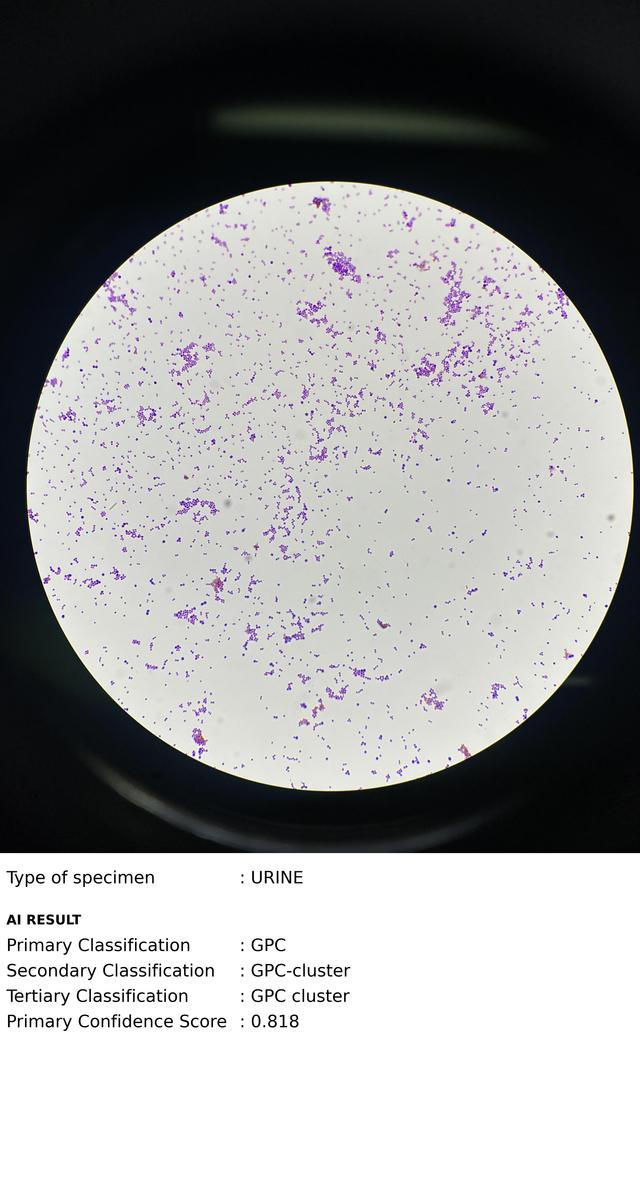
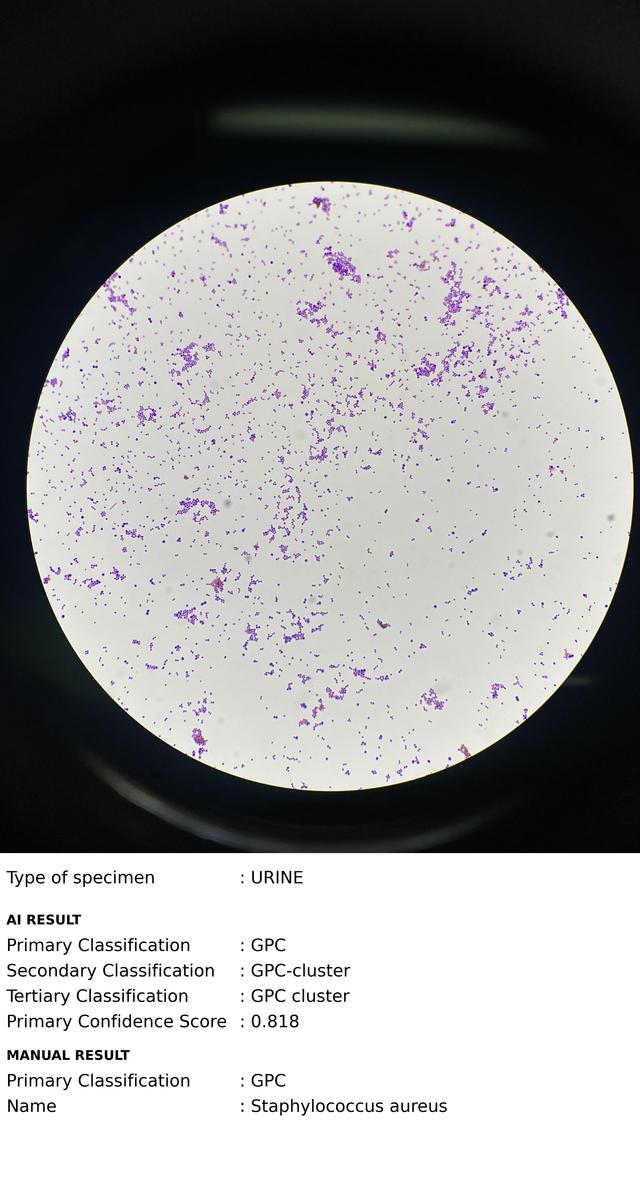
Urine Specimen
The Primary category classifies results into five basic morphologies, "No bacteria" and "Multiple bacteria". Yeast refers to yeast-like fungi. These five basic morphologies are further subdivided into nine categories in the Secondary level and 15 species-level categories in the Tertiary level. It should be noted that "Multiple bacteria" always refers to a combination of the five basic morphologies, regardless of the category level, and does not include combinations of the subdivided categories.
| Primary category | Secondary category | Tertiary category |
|---|---|---|
| Yeast | Yeast | Candida spp. |
| GPR | GPR | Corynebacterium spp. |
| GPC | GPC-cluster | GPC cluster |
| GPC-chain | ||
| Enterococcus faecium | ||
| Streptococcus agalactiae | ||
| GPC-other | Other GPC | |
| GNR | GNR-L-M | Enterobacter cloacae |
| GNR-L | Escherichia coli | |
| Klebsiella oxytoca | ||
| Klebsiella pneumoniae | ||
| GNR-S | Pseudomonas aeruginosa | |
| Other GNR Enterobacteriaceae | ||
| Other GNR Glucose non-fermenting bacteria | ||
| GNC | GNC | GNC |
| No bacteria | ||
| Multiple bacteria |
Blood Specimen Aerobic culture
The Primary category classifies results into five basic morphologies, "No bacteria" and "Multiple bacteria". Yeast refers to yeast-like fungi. These five basic morphologies are further subdivided into ten categories in the Secondary level and 19 species-level categories in the Tertiary level. It should be noted that "Multiple bacteria" always refers to a combination of the five basic morphologies, regardless of the category level, and does not include combinations of the subdivided categories.
| Primary category | Secondary category | Tertiary category |
|---|---|---|
| Yeast | Yeast | Candida spp. |
| GPR | GPR-O | Listeria monocytogenes |
| Other GPR | ||
| GPR-C | Corynebacterium spp. | |
| GPC | GPC-C | Staphylococcus aureus (MRSA/MSSA) |
| Staphylococci (excl. S.aureus) | ||
| GPC-E | Enterococcus faecium | |
| Enterococcus spp. (excl. E. faecium) | ||
| GPC-S | β-Streptococcus (incl. S. pneumoniae) | |
| Streptococci (excl. β-Streptococcus) |
Blood Specimen Anaerobic culture
The Primary category classifies results into three basic morphologies (GPR, GPC, GNR), "No bacteria" and "Multiple bacteria". These five basic morphologies are further subdivided into ten categories in the Secondary level and 14 species-level categories in the Tertiary level. It should be noted that "Multiple bacteria" always refers to a combination of the three basic morphologies, regardless of the category level, and does not include combinations of the subdivided categories.
| Primary category | Secondary category | Tertiary category |
|---|---|---|
| GPR | GPR-O | Listeria monocytogenes |
| Other GPR | ||
| GPR-C | Corynebacterium spp. | |
| GPC | GPC-C | Staphylococcus aureus (MRSA/MSSA) |
| Staphylococci (excl. S.aureus) | ||
| GPC-E | Enterococcus faecium | |
| Enterococcus spp. (excl. E. faecium) | ||
| GPC-S | β-Streptococcus (incl. S. pneumoniae) | |
| Streptococci (excl. β-Streptococcus) | ||
| GNR | GNR-FR | Escherichia coli (ESBL, non-ESBL) |
Analyze Gram stain images to automatically estimate bacterial morphology using deep learning technology.
Classify microorganisms accurately into five basic morphologies, "Multiple bacteria," or "No bacteria."
Enables advanced classification into detailed subcategories beyond the five primary morphologies.
Analyze a Gram stain image and display the result in just a few seconds.
Results are automatically saved to a gallery for easy access.
Seamlessly share and discuss results with your team, just like any standard image.
Capture an image of a Gram-stained slide at 1000x magnification using a smartphone or PC camera, then upload it to CarbConnect.
Select the captured image and choose the "BiTTE - Microbial Analysis" app from the sidebar on the left side of the screen.
Press the "Analyze" button to start the process. The AI will classify the bacterial morphology based on the uploaded image.
Verify the estimated results. You can modify the results or manually add specific species information as needed.
Save: Both the initial and adjusted results will be saved as images in the gallery.

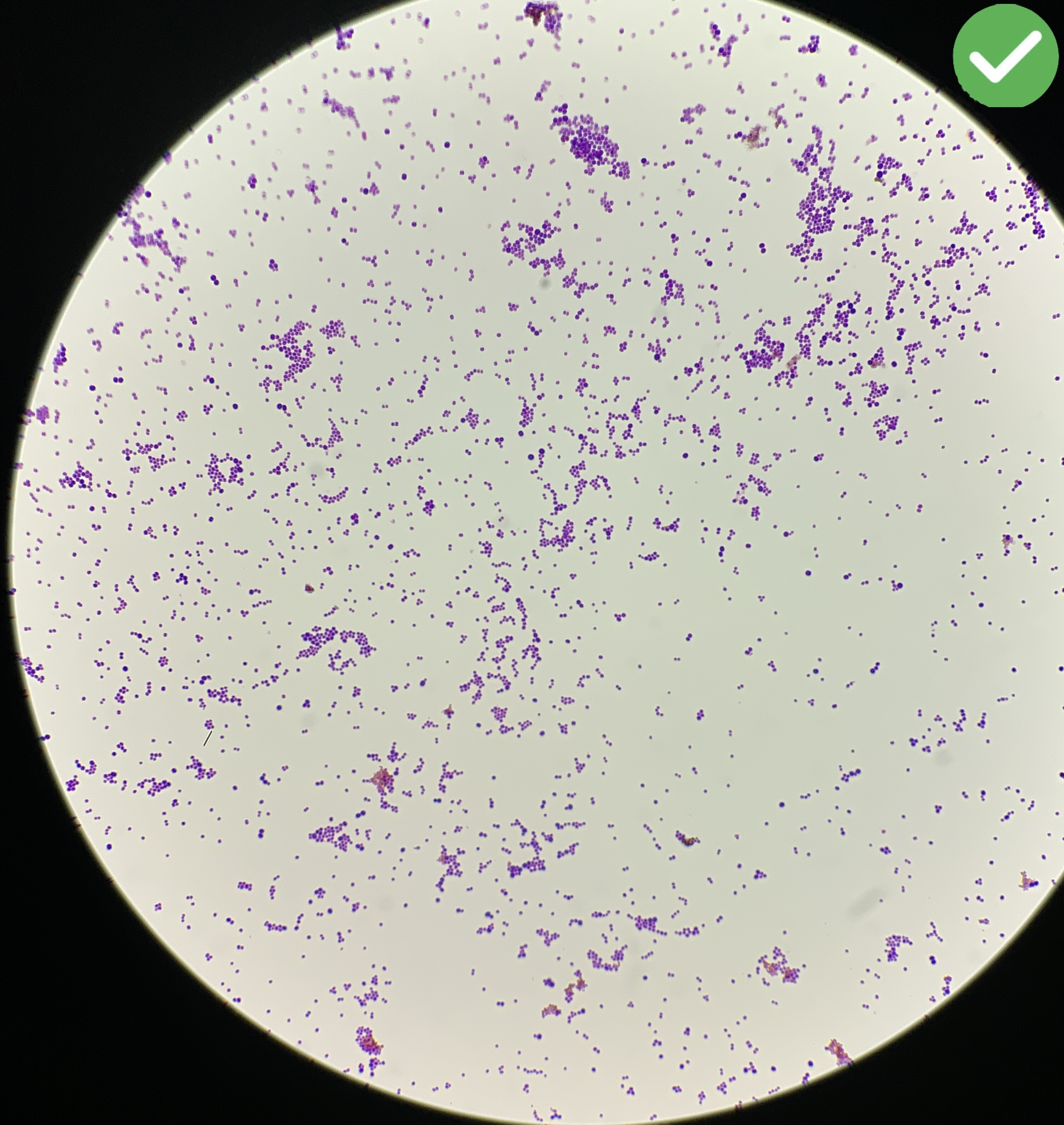
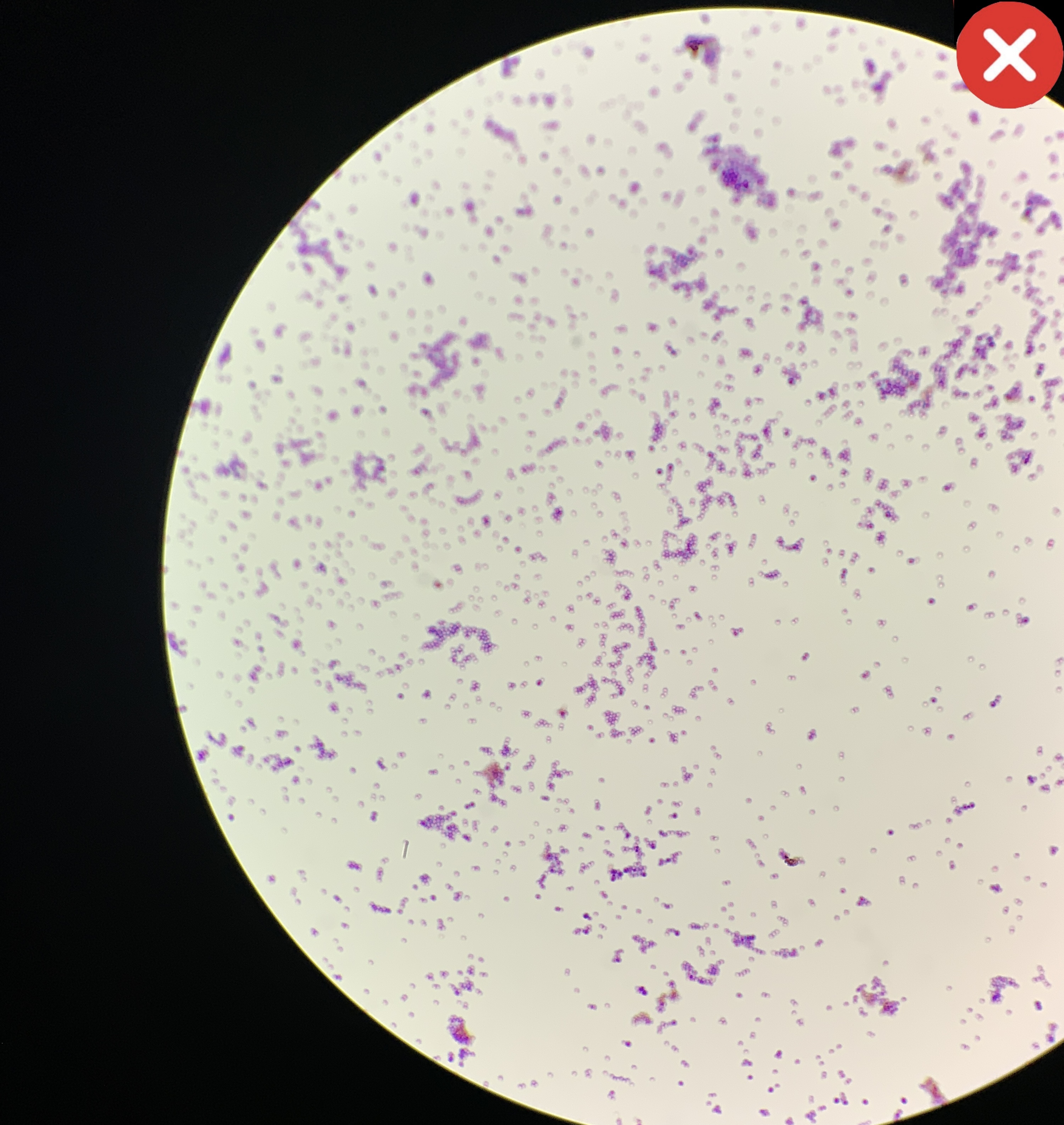
This product has been developed in collaboration with the School of Medicine, Kobe University, the National Center for Global Health and Medicine (NCGM), and the Japan Agency for Medical Research and Development (AMED).
| GNR | GNR-FR | Escherichia coli (ESBL, non-ESBL) |
| Klebsiella spp. |
| Other GNR Enterobacteriaceae (excl. E.coli, Klebsiella) |
| GNR-NFR | Stenotrophomonas maltophilia |
| Pseudomonas aeruginosa |
| GNR-O | Campylobacter spp. |
| Acinetobacter spp. |
| Haemophilus influenzae |
| GNC | GNC | GNC |
| No bacteria |
| Multiple bacteria |
| Klebsiella spp. |
| Other GNR Enterobacteriaceae (excl. E.coli, Klebsiella) |
| GNR-O | Bacteroides spp. |
| Haemophilus influenzae |
| No bacteria |
| Multiple bacteria |